


Fiber breakage in MST (Multiport Service Terminal) systems can lead to significant disruptions in communication networks, resulting in downtime, loss of data, and increased maintenance costs. As a trusted fiber MST supplier, we understand the critical importance of preventing fiber breakage to ensure the reliability and performance of your network. In this blog post, we will explore some effective strategies and best practices to help you prevent fiber breakage in MST systems.
Understanding the Causes of Fiber Breakage
Before we delve into prevention strategies, it's essential to understand the common causes of fiber breakage in MST systems. Some of the primary factors include:
- Mechanical Stress: Excessive bending, twisting, or pulling of the fiber optic cables can cause micro - cracks or complete breaks. This can occur during installation, maintenance, or due to environmental factors such as vibrations or impacts.
- Environmental Conditions: Extreme temperatures, humidity, and exposure to chemicals or moisture can degrade the fiber optic cables over time, making them more susceptible to breakage.
- Poor Installation Practices: Incorrect installation techniques, such as improper splicing, inadequate cable management, or using low - quality components, can increase the risk of fiber breakage.
- Rodent and Pest Damage: Rodents and pests may chew on fiber optic cables, causing physical damage and breakage.
Prevention Strategies
1. Select High - Quality Fiber Optic Cables
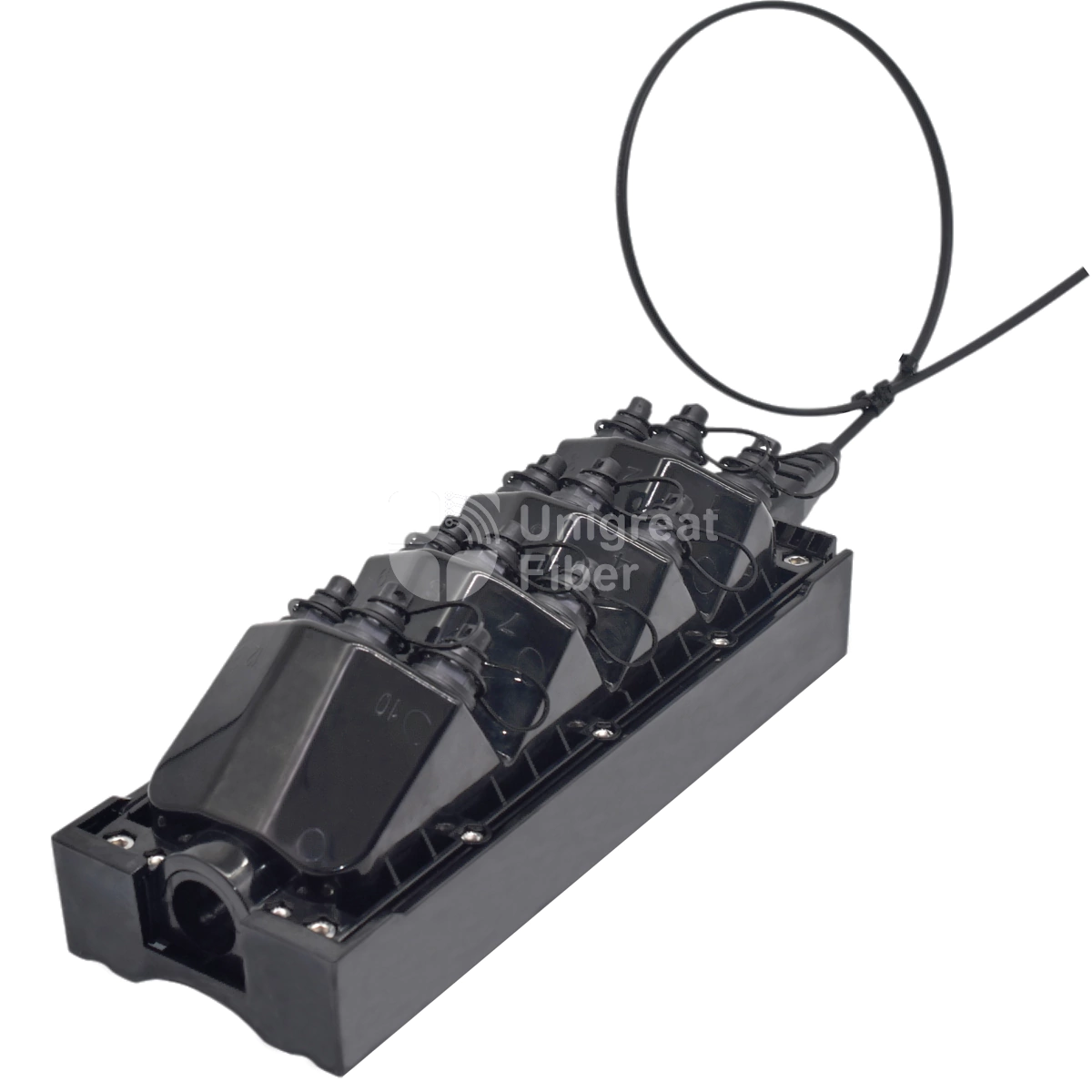
One of the most fundamental steps in preventing fiber breakage is to choose high - quality fiber optic cables. Look for cables that are designed to withstand mechanical stress, environmental conditions, and have a high tensile strength. Our Pre - Terminated Outdoor Fiber Optic Cable Compatible Optitap is an excellent choice for MST systems. These pre - terminated cables are factory - tested and designed to provide reliable performance in outdoor environments, reducing the risk of breakage during installation and operation.

2. Proper Installation and Cable Management
Proper installation is crucial to prevent fiber breakage. Follow these installation best practices:
- Bend Radius: Ensure that the fiber optic cables are installed within the recommended bend radius. Exceeding the bend radius can cause light loss and increase the risk of breakage. Refer to the cable manufacturer's specifications for the minimum bend radius.
- Cable Support: Use appropriate cable support systems, such as cable trays, conduits, or hangers, to prevent excessive tension and stress on the cables. Avoid sharp edges or corners that could damage the cables.
- Splicing and Termination: Use high - quality splicing and termination techniques. Improper splicing can create weak points in the fiber, leading to breakage. Our 12 Port Multiport Service Terminal | Hardened Stub Tail provides a reliable and easy - to - install solution for splicing and terminating fiber optic cables in MST systems.
- Cable Labeling: Clearly label all fiber optic cables to facilitate easy identification and maintenance. This helps prevent accidental damage during future maintenance or upgrades.
3. Environmental Protection
Protecting the fiber optic cables from environmental factors is essential. Consider the following measures:
- Enclosures: Use weatherproof and dust - proof enclosures to protect the MST systems and fiber optic cables from moisture, dust, and extreme temperatures. Our IP68 OptiTap Fiber Optic Splice Closure – 96F, 16 Ports is designed to provide a high level of protection against environmental elements, ensuring the long - term reliability of the fiber optic connections.
- Cable Jackets: Choose fiber optic cables with robust outer jackets that are resistant to UV radiation, chemicals, and abrasion. This helps protect the cables from environmental damage and extends their lifespan.
- Ventilation and Temperature Control: In indoor environments, ensure proper ventilation and temperature control to prevent overheating of the MST systems. High temperatures can degrade the fiber optic cables and increase the risk of breakage.
4. Regular Inspection and Maintenance
Regular inspection and maintenance are essential to detect and prevent fiber breakage. Implement a comprehensive maintenance plan that includes:
- Visual Inspections: Conduct regular visual inspections of the fiber optic cables, connectors, and enclosures to check for signs of damage, such as cracks, cuts, or loose connections.
- Optical Testing: Use optical testing equipment, such as optical time - domain reflectometers (OTDRs), to measure the optical loss and detect any potential issues in the fiber optic network.
- Cleaning and Protection: Keep the fiber optic connectors clean and protected to prevent contamination, which can cause signal loss and increase the risk of breakage.
5. Rodent and Pest Control
To prevent rodent and pest damage, take the following measures:
- Sealing: Seal all entry points in the MST enclosures and cable pathways to prevent rodents and pests from entering.
- Rodent - Resistant Cables: Consider using rodent - resistant fiber optic cables that have a protective layer to deter rodents from chewing on the cables.
- Traps and Baits: Place traps and baits around the MST systems to control rodent populations.
Conclusion
Preventing fiber breakage in MST systems is essential for maintaining the reliability and performance of your communication network. By selecting high - quality fiber optic cables, following proper installation and cable management practices, protecting the cables from environmental factors, conducting regular inspections and maintenance, and implementing rodent and pest control measures, you can significantly reduce the risk of fiber breakage.
As a leading fiber MST supplier, we are committed to providing you with high - quality products and solutions to meet your network needs. If you are interested in learning more about our fiber optic products or have any questions regarding fiber breakage prevention, we encourage you to contact us for a procurement discussion. Our team of experts is ready to assist you in finding the best solutions for your network.
References
- "Fiber Optic Installation and Maintenance Best Practices," Telecommunications Industry Association (TIA).
- "Optical Fiber Cable Design and Installation Guidelines," International Electrotechnical Commission (IEC).


