


In the realm of large - scale networks, the management of toneable gel filled flat drop cables is a critical aspect that directly impacts the efficiency, reliability, and longevity of the network infrastructure. As a supplier of toneable gel filled flat drop cables, I have witnessed firsthand the challenges and opportunities that come with managing these cables in large - scale settings. In this blog, I will delve into the various management methods for toneable gel filled flat drop cables in large - scale networks.
Understanding Toneable Gel Filled Flat Drop Cables
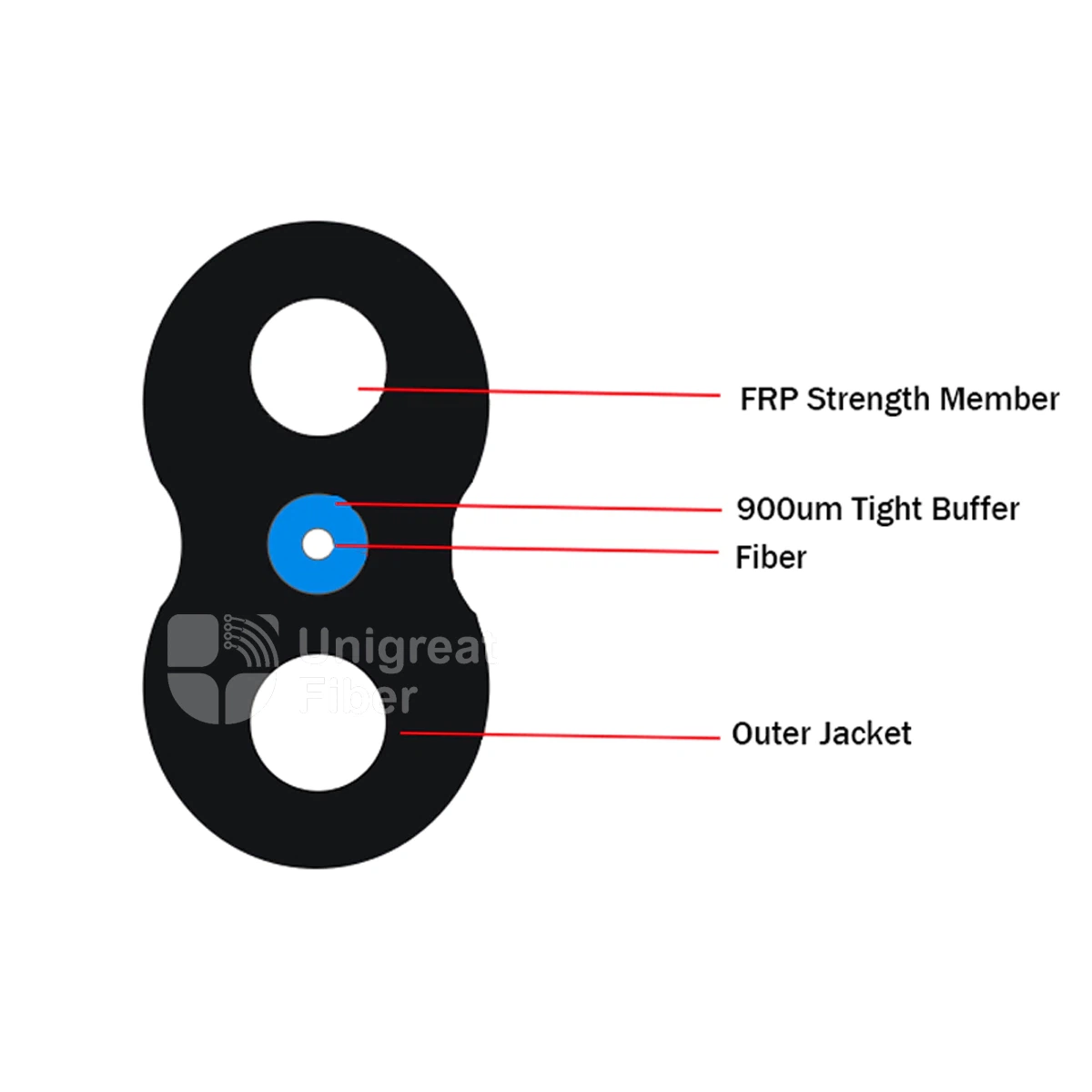
Before discussing the management methods, it is essential to understand what toneable gel filled flat drop cables are. These cables are specifically designed for fiber - to - the - home (FTTH) and other access network applications. The "toneable" feature allows for easy identification and location of the cable during installation, maintenance, and troubleshooting. The gel filling provides protection against moisture, mechanical stress, and environmental factors, ensuring the integrity of the fiber optic core. The flat design makes them easy to install in tight spaces, such as ducts and buildings.

Cable Planning and Design
Site Surveys
The first step in managing toneable gel filled flat drop cables in a large - scale network is conducting thorough site surveys. This involves assessing the physical layout of the network area, including the location of buildings, ducts, poles, and other infrastructure. By understanding the terrain and existing infrastructure, we can plan the cable routes more effectively, minimizing the risk of damage and interference. For example, if there are areas with high electromagnetic interference, we can choose alternative routes or use additional shielding.
Capacity Planning
Capacity planning is crucial to ensure that the network can meet the current and future demands of users. We need to estimate the number of subscribers, the bandwidth requirements, and the growth rate of the network. Based on these factors, we can determine the appropriate number and type of toneable gel filled flat drop cables to install. For instance, if the area is expected to have a high density of users, we may need to install more cables or use cables with higher fiber counts.
Cable Routing
Proper cable routing is essential for the efficient operation of the network. We should avoid sharp bends, kinks, and excessive tension in the cables, as these can cause signal loss and damage to the fiber optic core. When planning the routes, we should also consider the ease of access for maintenance and future upgrades. For example, we can use conduits or cable trays to protect the cables and make them easier to manage.
Installation and Deployment
Professional Installation
The installation of toneable gel filled flat drop cables should be carried out by trained and experienced professionals. They should follow the manufacturer's installation guidelines and industry best practices to ensure the proper installation of the cables. This includes using the correct tools and techniques for cable pulling, splicing, and termination. For example, when pulling the cables, we should use appropriate pulling equipment and ensure that the pulling tension is within the recommended limits.
Quality Control
During the installation process, it is important to implement strict quality control measures. This includes inspecting the cables for any visible damage, testing the fiber optic connections for signal strength and quality, and documenting the installation process. By ensuring the quality of the installation, we can reduce the risk of future problems and improve the reliability of the network.
Documentation
Accurate documentation is essential for the management of toneable gel filled flat drop cables in a large - scale network. We should keep records of the cable routes, splice locations, termination points, and test results. This documentation can be used for future maintenance, troubleshooting, and network expansion. For example, if there is a problem with a particular cable, we can refer to the documentation to quickly locate the affected area.
Maintenance and Monitoring
Regular Inspections
Regular inspections of the toneable gel filled flat drop cables are necessary to detect any signs of damage or degradation. This includes visual inspections of the cable jackets, checking for any signs of moisture ingress, and testing the fiber optic connections. By conducting regular inspections, we can identify and address potential problems before they become major issues.
Fault Detection and Troubleshooting
The toneable feature of the cables makes it easier to detect and troubleshoot faults in the network. We can use tone generators and locators to identify the location of the cable and trace the signal path. Once the fault is detected, we can quickly repair or replace the damaged section of the cable. For example, if there is a break in the fiber optic core, we can splice the cable or replace the damaged segment.
Network Monitoring
Continuous network monitoring is essential for the efficient operation of the network. We can use network monitoring tools to track the performance of the toneable gel filled flat drop cables, including the signal strength, bandwidth utilization, and error rates. By monitoring the network, we can identify any trends or anomalies and take proactive measures to prevent network outages.
Inventory Management
Stock Management
Proper inventory management is crucial to ensure that we have an adequate supply of toneable gel filled flat drop cables and related accessories. We should maintain a detailed inventory of the cables, including the quantity, type, and location of each cable. By keeping track of the inventory, we can avoid shortages and overstocking, which can lead to increased costs.
Cable Tracking
We can use barcode or RFID technology to track the movement of the toneable gel filled flat drop cables within the inventory. This allows us to quickly locate the cables when needed and monitor their usage. For example, if a particular cable is needed for a maintenance job, we can easily find it in the inventory and track its history.
Training and Education
Staff Training
Providing training and education to the network management staff is essential for the effective management of toneable gel filled flat drop cables. The staff should be trained on the installation, maintenance, and troubleshooting of the cables, as well as the use of the network monitoring tools. By investing in staff training, we can improve the skills and knowledge of the staff and ensure the proper management of the network.
Customer Education
In addition to staff training, we should also provide education to the customers. This includes informing them about the features and benefits of the toneable gel filled flat drop cables, as well as the proper use and care of the network. By educating the customers, we can reduce the number of support calls and improve the overall customer satisfaction.
Product Recommendations
As a supplier of toneable gel filled flat drop cables, we also offer a range of related products that can enhance the performance and management of the network. For example, we have the SM 1 - Core Hybrid Cable Fiber And Power 3.0x6.6 & 4.5x9.8 Drop Cable, which combines fiber optic and power transmission in a single cable, providing a more efficient solution for FTTH applications. We also offer the Dielectric Dry Core Flat Drop Cable, which is suitable for environments where moisture is not a major concern. Another product is the ROC Drop Cable – Toneable & Dielectric Flat Drop Cables, which provides excellent protection and ease of management.
Conclusion
Managing toneable gel filled flat drop cables in a large - scale network requires a comprehensive approach that includes cable planning and design, installation and deployment, maintenance and monitoring, inventory management, and training and education. By implementing these management methods, we can ensure the efficient operation, reliability, and longevity of the network. If you are interested in purchasing toneable gel filled flat drop cables or any of our related products, please feel free to contact us for procurement and further discussions.
References
- ITU - T Recommendations on fiber optic cable installation and management.
- IEEE Standards for network performance monitoring and troubleshooting.
- Manufacturer's installation and maintenance manuals for toneable gel filled flat drop cables.


