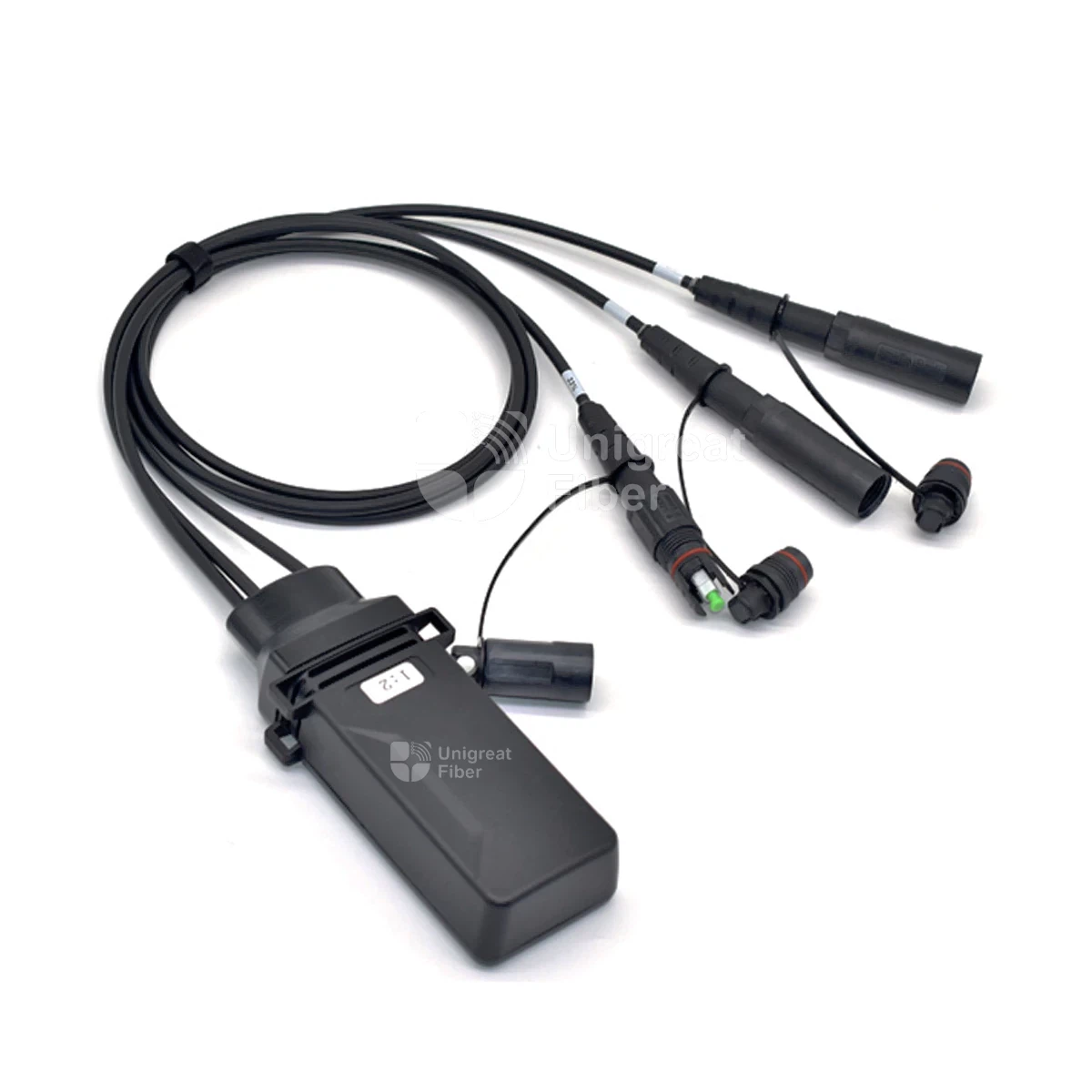
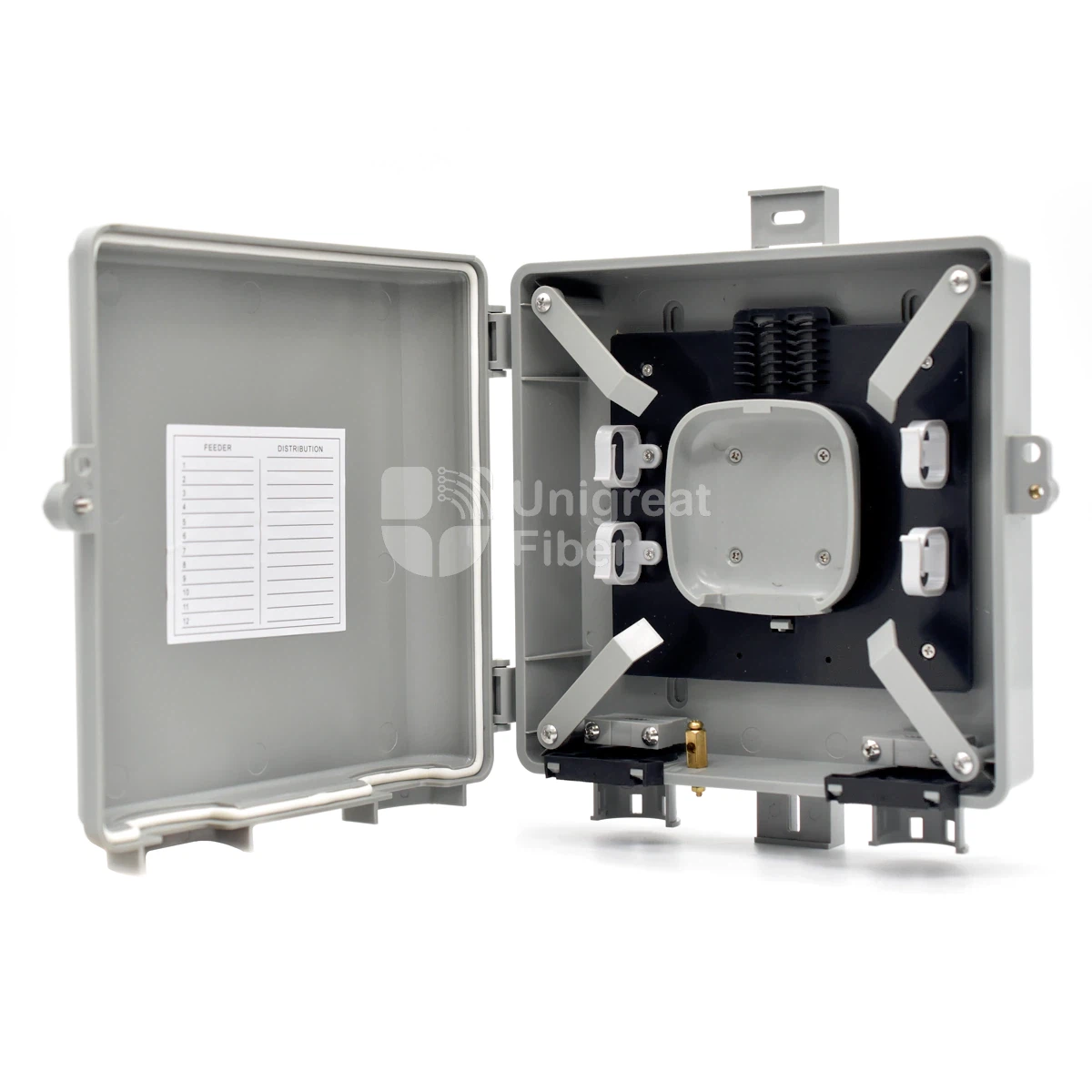
Fiber termination boxes are crucial components in fiber optic networks, serving as the connection point for multiple fiber optic cables. They play a vital role in protecting and organizing fiber optic terminations, ensuring reliable and efficient signal transmission. One of the most common questions we receive as a fiber termination box supplier is: "How many fibers can a fiber termination box accommodate?" In this blog post, we will explore the factors that determine the fiber capacity of a termination box and provide insights into different types of boxes available in the market.
Factors Affecting Fiber Capacity
The number of fibers a fiber termination box can hold depends on several key factors:
1. Box Size and Design
The physical dimensions of the termination box are a primary determinant of its fiber capacity. Larger boxes generally have more space to accommodate a greater number of fibers. Manufacturers design termination boxes in various sizes, from small, compact units suitable for residential or small - scale commercial applications to large, rack - mountable boxes used in data centers and large - scale telecommunications networks.
For instance, a small desktop fiber termination box may only be able to hold a few fibers, perhaps 4 - 8, due to its limited internal space. On the other hand, a large rack - mountable box can house dozens or even hundreds of fibers, thanks to its larger footprint and more complex internal structure.
2. Fiber Management System
The internal fiber management system of the termination box also impacts its fiber capacity. A well - designed management system allows for efficient routing, splicing, and storage of fibers, maximizing the use of available space. Some boxes feature pre - configured trays or compartments that can hold a specific number of fiber splices or connectors.
For example, a termination box with a modular tray system may have trays that are designed to hold 12, 24, or 48 fibers each. By adding or removing trays, the overall fiber capacity of the box can be adjusted according to the user's needs.
3. Type of Fiber and Connectors
The type of fiber optic cables and connectors used in the termination box can affect its capacity. Different types of fibers, such as single - mode and multi - mode fibers, have different diameters and bending radii requirements. Similarly, various connector types, like SC, LC, or ST connectors, have different physical sizes.
Connectors with smaller form factors, such as LC connectors, can be packed more densely within a termination box compared to larger connectors like ST connectors. This means that a box using LC connectors can potentially accommodate more fibers than the same box using ST connectors.
Common Fiber Termination Box Capacities
Let's take a look at some common types of fiber termination boxes and their typical fiber capacities:
Small - Scale Residential and Office Boxes
- 2 - 4 Port Boxes: These are the smallest and most basic fiber termination boxes, often used in residential settings or small offices. They are designed to connect a limited number of fiber optic cables, usually for simple Internet or local network connections. For example, an IP65 2 Port FTB Fiber Termination Box is suitable for outdoor use and can handle a small number of fibers, making it ideal for connecting a home to a nearby fiber optic network.
- 8 Port Boxes: An 8 Port Fiber Access Terminal Box is a popular choice for slightly larger residential or small - business applications. It can accommodate up to 8 fibers, providing enough capacity for multiple devices or users to connect to the fiber network.
Medium - Scale Commercial Boxes
- 12 - 24 Port Boxes: These boxes are commonly used in medium - sized commercial buildings, such as small offices, retail stores, or educational institutions. They offer a greater fiber capacity than the smaller boxes, allowing for more devices and users to be connected to the network. The internal fiber management systems in these boxes are more sophisticated, enabling efficient organization and routing of fibers.
- 48 Port Boxes: A 48 - port fiber termination box is often used in larger commercial facilities, such as hospitals, hotels, or corporate offices. With the ability to hold 48 fibers, it can support a significant number of network connections, including data, voice, and video services.
Large - Scale Data Center and Telecommunications Boxes
- 96 - 288 Port Boxes: These high - capacity boxes are designed for use in data centers and large - scale telecommunications networks. They are typically rack - mountable and feature advanced fiber management systems to handle a large number of fibers. For example, an 8 Port Fiber Splitter Distribution Box can be part of a larger system where multiple such boxes are used in combination to achieve even higher fiber capacities.
Choosing the Right Fiber Termination Box
When selecting a fiber termination box, it is important to consider your current and future fiber requirements. Here are some tips to help you make the right choice:
1. Assess Your Current Needs
Determine the number of fibers you currently need to connect and the type of connectors you will be using. This will give you a starting point for choosing a box with the appropriate capacity.
2. Plan for Future Growth
Anticipate any future expansion of your fiber network. It is often a good idea to choose a box with a slightly higher capacity than your current needs to accommodate future growth without having to replace the box.
3. Consider the Environment
The environment in which the termination box will be installed is also an important factor. For outdoor installations, you will need a box with a high level of environmental protection, such as an IP65 - rated box. Indoor boxes may not require such high - level protection but should still be designed to provide good fiber management and protection.


Conclusion
The number of fibers a fiber termination box can accommodate depends on various factors, including box size, fiber management system, and the type of fibers and connectors used. As a fiber termination box supplier, we offer a wide range of boxes with different capacities to meet the diverse needs of our customers. Whether you are a homeowner looking for a small - scale termination box or a large - scale data center operator in need of high - capacity boxes, we have the right solution for you.
If you are interested in purchasing fiber termination boxes or have any questions about our products, please feel free to contact us. Our team of experts is ready to assist you in selecting the most suitable boxes for your specific requirements. We look forward to the opportunity to work with you and help you build a reliable and efficient fiber optic network.
References
- "Fiber Optic Network Design and Implementation" by Richard C. Panko
- "Handbook of Fiber Optic Data Communication" by John M. Senior