


Hey there! I'm a supplier of dielectric dry core flat drop cable, and I often get asked if these cables can be recycled. It's a great question, especially in today's world where we're all trying to be more eco - friendly. So, let's dive right in and explore this topic.
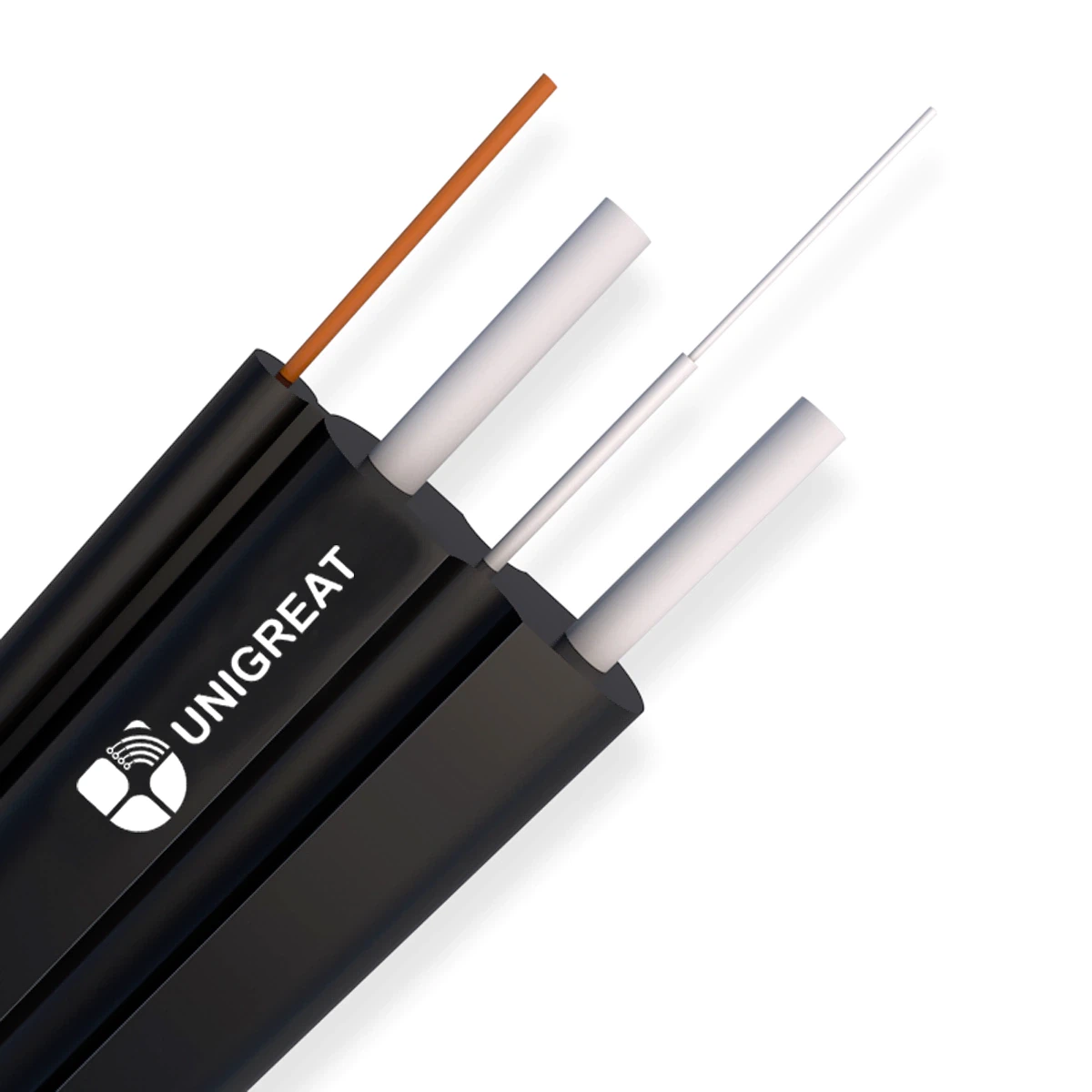
First off, let's understand what dielectric dry core flat drop cables are. These cables are commonly used in fiber - to - the - home (FTTH) networks. They're designed to be lightweight, flexible, and easy to install. The "dielectric" part means they don't have any metallic components, which is a big plus in terms of avoiding interference and corrosion. The "dry core" indicates that there's no gel filling inside, unlike some other types of cables. This dry design makes them cleaner to handle and install. You can check out more about these cables here: Dielectric Dry Core Flat Drop Cable.
Now, onto the recycling part. Recycling is super important as it helps reduce waste in landfills, conserves natural resources, and cuts down on energy consumption. When it comes to dielectric dry core flat drop cables, the answer is yes, they can be recycled, but it's not as straightforward as you might think.
The main components of these cables are the fiber optic strands, the polymer jacket, and sometimes some strength members. The fiber optic strands are made of glass or plastic. Glass fibers are highly recyclable. They can be melted down and used to make new glass products, including more fiber optic cables. Plastic fibers can also be recycled, but the process is a bit more complex as different types of plastics need different recycling methods.
The polymer jacket that protects the fiber optic strands is usually made of materials like polyethylene or polyvinyl chloride (PVC). Polyethylene is relatively easy to recycle. It can be melted and remolded into new plastic products. PVC, on the other hand, is a bit trickier. It contains chlorine, which can release harmful chemicals during the recycling process if not done properly. However, with the right technology and facilities, PVC can also be recycled.
The strength members in the cable, which provide mechanical support, can be made of materials like aramid fibers or fiberglass. Aramid fibers are strong and lightweight, and they can be recycled through specialized processes. Fiberglass, similar to glass fiber optic strands, can be melted down and reused.
But here's the catch. Recycling dielectric dry core flat drop cables requires specialized equipment and expertise. Not all recycling facilities are equipped to handle fiber optic cables. There are only a limited number of companies that have the technology to separate the different components of the cable and recycle them effectively.
Another factor is the cost. Recycling these cables can be expensive. The process involves collecting the cables, transporting them to the recycling facility, and then going through the separation and recycling steps. The cost of these operations can sometimes be higher than the value of the recycled materials. This is why some companies might be hesitant to recycle the cables.
However, there are some initiatives and programs that are trying to make cable recycling more accessible and cost - effective. For example, some manufacturers are starting to take back old cables from their customers and handle the recycling process themselves. This not only helps the environment but also builds a good relationship with the customers.
If you're a network operator or an installer, you might be wondering how you can recycle your old dielectric dry core flat drop cables. First, you can check with your cable supplier. As a supplier myself, I'm always looking for ways to help my customers with recycling. Some suppliers have partnerships with recycling companies and can assist you in getting your old cables recycled.
You can also look for local recycling facilities that specialize in electronic waste or fiber optic cable recycling. Do some research online or contact your local environmental agency to find out if there are any such facilities in your area.
Now, let's talk about some related products. We also offer Toneable Gel Filled Flat Drop Fiber Optic Cable. This type of cable has a gel filling, which provides extra protection against moisture and physical damage. It's great for outdoor installations where the cable might be exposed to harsh weather conditions.
Another product is the ROC Drop Cable – Toneable & Dielectric Flat Drop Cables. These cables are toneable, which means they can be easily located and identified using a cable tracer. This is very useful during installation and maintenance of the network.

In conclusion, dielectric dry core flat drop cables can be recycled, but it's a process that requires some effort and the right resources. As a supplier, I'm committed to promoting cable recycling and helping my customers make more sustainable choices. If you're in the market for high - quality dielectric dry core flat drop cables or any of our other products, I'd love to have a chat with you. Whether you have questions about the products, the recycling process, or you're ready to place an order, don't hesitate to reach out. Let's work together to build a more sustainable future while also meeting your network infrastructure needs.
References
- "Fiber Optic Cable Recycling: A Comprehensive Guide", Industry Research Report
- "Plastic Recycling Technologies", Journal of Environmental Science and Technology


